Um genaue Preise zu sehen, wählen Sie bitte Ihr Lieferland.
 
 
United States
£ GBP
Alle Kategorien
Important Notice for US Customers

British Wildlife

8 issues per year 84 Seiten per Ausgabe Nur im Abonnement erhältlich

British Wildlife is the leading natural history magazine in the UK, providing essential reading for both enthusiast and professional naturalists and wildlife conservationists. Published eight times a year, British Wildlife bridges the gap between popular writing and scientific literature through a combination of long-form articles, regular columns and reports, book reviews and letters.

Abonnement ab £33 im Jahr

Conservation Land Management

4 Auflagen im Jahr 44 Seiten Nur im Abonnement erhältlich

Conservation Land Management (CLM) ist ein Mitgliedermagazin und erscheint viermal im Jahr. Das Magazin gilt allgemein als unverzichtbare Lektüre für alle Personen, die sich aktiv für das Landmanagement in Großbritannien einsetzen. CLM enthält Artikel in Langform, Veranstaltungslisten, Buchempfehlungen, neue Produktinformationen und Berichte über Konferenzen und Vorträge.

Subscriptions from £26 per year
Akademische und professionelle Bücher  Insects & other Invertebrates  Insects  Bees, Ants & Wasps (Hymenoptera)

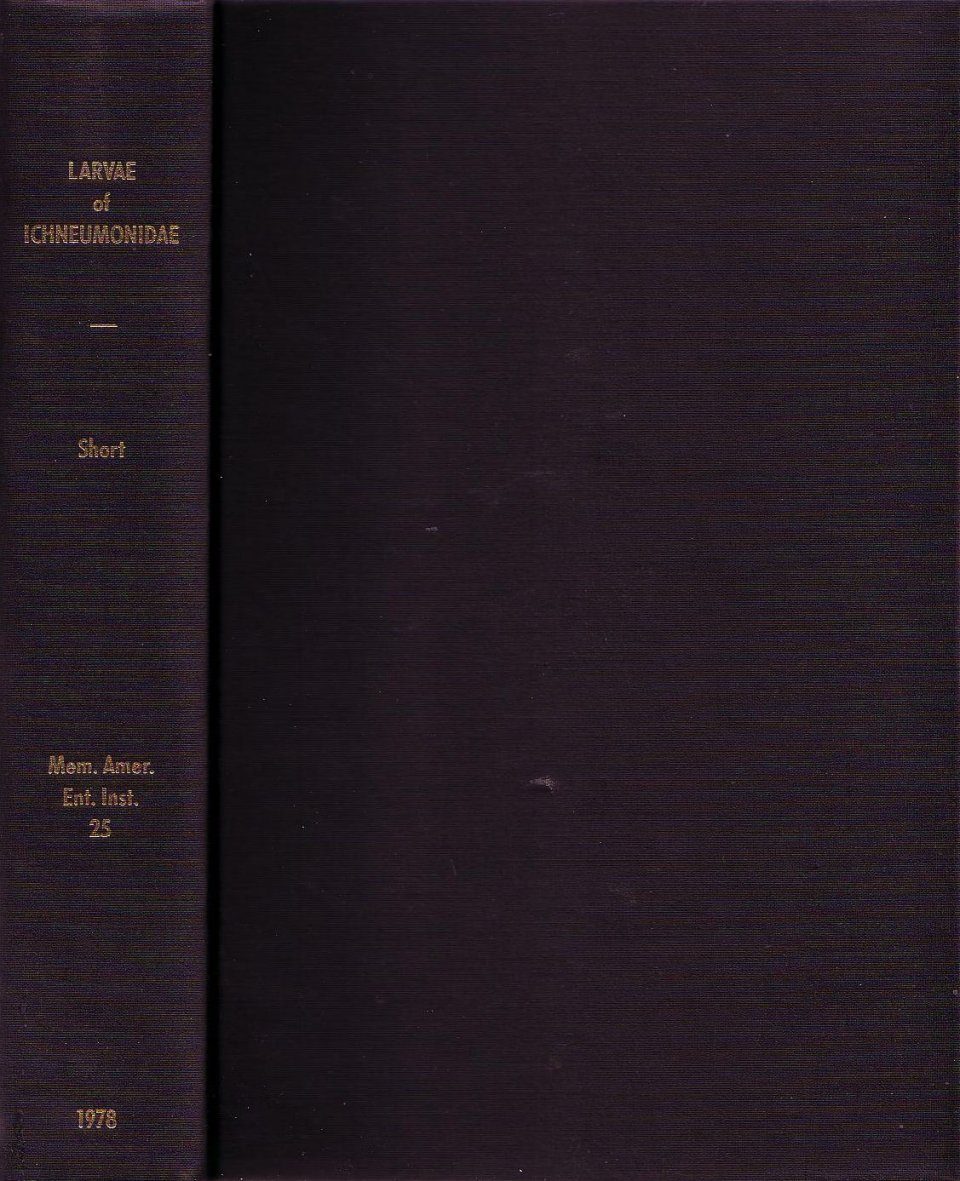
The Final Larval Instars of the Ichneumonidae

Monograph
By: John RT Short(Author)
508 pages, 802 b/w line drawings
The Final Larval Instars of the Ichneumonidae
Click to have a closer look
  • The Final Larval Instars of the Ichneumonidae Hardback Dec 1978 Unavailable #141512
About this book Related titles

About this book

The aim of this study is to give a description and classification of the known final larval instars of the Ichneumonidae. Subfamilies, tribes and genera are described and keys given. So far as possible, every species known on larval characters is illustrated. These figures illustrate the classification to the level of genera, summarize generic characters and show the range of characters within a genus. Illustrations are deliberately used in preference to lengthy verbal descriptions of generic characters. However, outstanding characteristics of genera are indicated. Some reference is made to differences between species, particularly where marked differences are known. Knowledge of the adults of these insects is much in advance of that of the larvae. A classification scheme based on larval characters may be congruent or incongruent with one based on adult characters. The independence of larvae and adults makes a separate evolution of their characters possible. Selective factors acting on the legless larvae are different from those acting on the mobile adults. The classification scheme followed here is in general agreement with that of Townes's (1969, 1970a, 1970b, 1971) notable series of monographs on the adults, where the world genera are brought together, redescribed and compared. There is remarkable agreement between the resulting classification scheme of Townes and a classification scheme based on larval characters, but, of course, also some discrepancies. The discrepancies indicate places where the classification needs to be reexamined.

The sequence in which genera are listed follows that of Townes unless the larval characters indicate some other placing. Species are generally listed alphabetically. An alphabetical sequence of figures in the plates was not always possible when grouping figures on size.

Customer Reviews

Monograph
By: John RT Short(Author)
508 pages, 802 b/w line drawings
Current promotions
Great GiftsNew and Forthcoming BooksBritish Wildlife Magazine SubscriptionField Guide Sale 2025